




Mortise and tenon joints

|
| The lintels at Stonehenge are secured by stone mortise and tenon joints. |
Contents |
[edit] Introduction
A mortise is a socket, recess or hole cut into a material in order to connect with a tenon (or tongue). In construction terms, this technique is commonly referred to as a mortise and tenon joint.
This method can be quite strong and sturdy, and is often used to join two components at a right angle. It is commonly found in furniture (such as tables and beds) or structures that require durable frames, such as doors or windows. It is one of the most common types of joinery used for woodwork and furniture.
[edit] History
Mortise and tenon joints have been used for thousands of years, most commonly in woodworking, but also for stone, iron and so on. Ancient examples have been found in architecture, shipbuilding and furniture making around the world, including a ship in the Giza pyramid complex, roofing structures in ancient Chinese architecture and the lintels at Stonehenge.
[edit] Types of mortises and tenons
There are many variations on the mortise and tenon joint:
- Barefaced mortise.
- Haunched mortise.
- Open mortise.
- Stub mortise.
- Through mortise.
- Through-wedged half-dovetail.
- Twin mortise.
- Wedged half-dovetail.
[edit] Types of tenons include:
- Hammer-headed tenon.
- Half shoulder tenon.
- Loose tenon.
- Pegged (or pinned) tenon.
- Stub tenon.
- Teasel (or teazle) tenon.
- Through tenon.
- Top tenon.
- Tusk tenon.
[edit] Related articles on Designing Buildings
Featured articles
Check out some of the best features and news from Designing Buildings as well as key stories from around the web.
ECA responds to the Milburn Report

Youth employment to be linked to workforce demand.
The construction industry urgently needs to attract new talent
CIOB responds to Neets report.
Grenfell Tower community update

Memorial columns to be retained as careful dismantling continues.
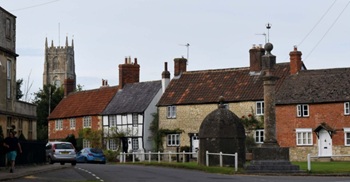
When buildings reflected the local resources available.

CIOB reports 57% are using artificial intelligence technologies.

More of England’s ‘hidden heroes’ will be celebrated.

CIAT calls for retrofit to be a priority.
Version 6 is now available, along with guidance for ECA members.

Post-War Homes: mid-century British architecture. Book review.

CIAT reflects on the party conferences.

CIOB announce the winners of the Art of Building photography competition.

National Scheme of Delegation introduced.